Follow the Artists: Why the Fair Map Needs Redrawing
The geography of prestige
London’s art-fair calendar has a familiar shape. Regent’s Park, Chelsea, Mayfair and the surrounding postcodes host the major international events, while the satellite fairs cluster around them. The logic is commercial: proximity to wealth, hotels, private members’ clubs and the galleries that service both. But that logic is increasingly at odds with where art is actually made.
In 2026, the most interesting energy in the capital is not in W1. It is in Hackney, Brent and Lewisham, where studio complexes, artist-led spaces and borough-funded programmes are producing work that the central fairs struggle to represent. The question is not whether these areas deserve attention. It is whether fair organisers have the courage to follow the artists rather than the rent.
The rent problem
Fairs are expensive to stage and expensive to attend. A stand at a major London fair can cost more than a year’s rent for a small gallery, and the ancillary costs — travel, accommodation, insurance, shipping — are prohibitive for younger dealers. The result is a filtering effect: the fairs represent galleries that can afford to be there, not necessarily the galleries that are doing the most interesting work.
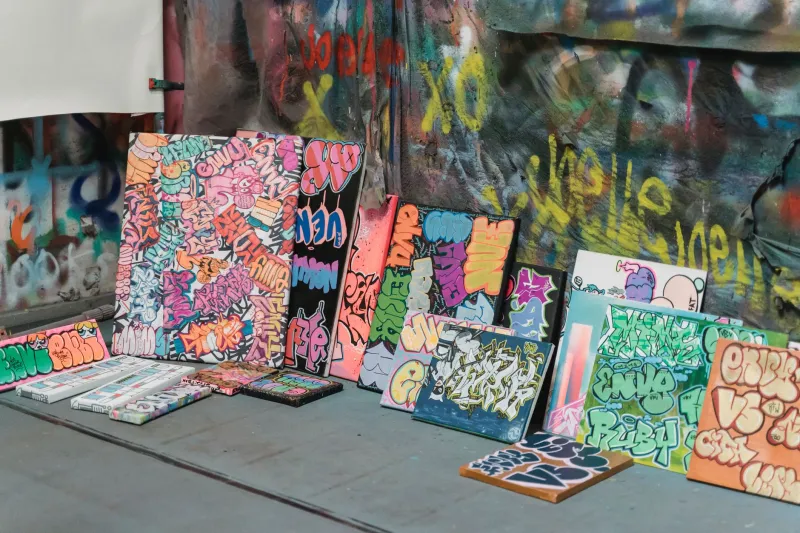
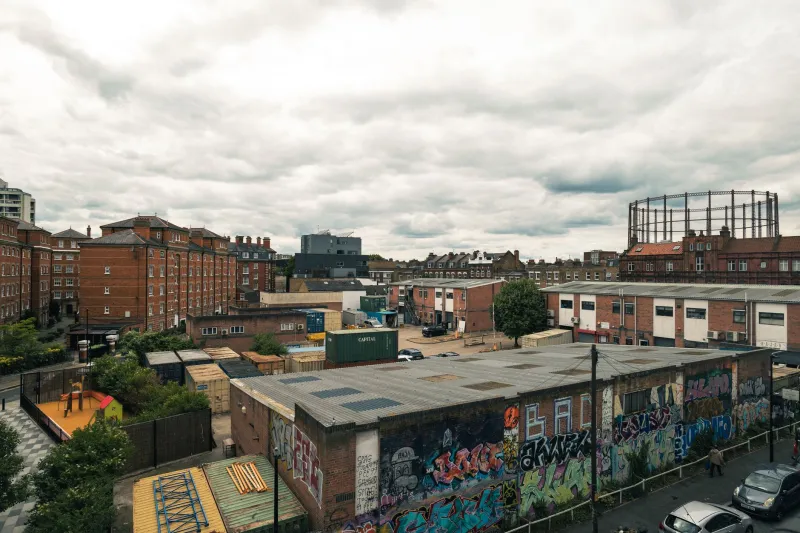
Meanwhile, artists have been pushed further out. Hackney Wick’s studio clusters survive despite enormous development pressure. Brent has a rich tradition of artist-led activity, often overlooked by the central art world. Lewisham, particularly around Deptford and New Cross, has a long history of experimental practice and community organising. These are not peripheral curiosities. They are where the next generation of collectors will find the work that matters.
Borough-based models already prove the point
The good news is that the alternative is not hypothetical. Borough-based cultural programmes have been demonstrating a different model for years. The Brent Biennial, for example, has shown how a borough can commission and present contemporary art across multiple sites, drawing audiences who might never visit a Mayfair gallery. Deptford X in Lewisham has built a reputation for supporting artist-led projects with a directness that larger fairs rarely match. Hackney’s open-studio weekends and artist-led festivals have created a recurring rhythm of access that is both local and welcoming.
These are not fairs in the conventional sense, and they should not be forced to become them. But they point to a model that fair organisers could learn from: partnership with councils, use of underused civic and commercial spaces, lower stand fees, and a programme that reflects the borough’s actual artistic community rather than an imported gallery roster.
What a borough fair could look like
A fair in Hackney, Brent or Lewisham would not need to replicate Frieze. It could be smaller, more porous and more rooted. Imagine a fair staged across a former industrial building in Hackney Wick, with a programme of talks in local community halls and a shuttle bus from the nearest Overground station. Imagine a Brent fair that partners with the borough’s libraries and schools, using the fair as a moment of public engagement rather than a private trade event. Imagine a Lewisham fair that gives a significant proportion of its stands to artists and collectives, not just galleries.
The economics would be different, but not impossible. Lower rents mean lower stand fees. Local partnerships can offset costs. A fair that appeals to a younger, more diverse collector base may not generate the same headline sales as a Mayfair event, but it could build loyalty and long-term relationships that the central fairs struggle to sustain.
The counter-argument, and why it is weaker than it looks
Sceptics will argue that collectors want central locations. They will point to international visitors who stay in the West End and will not travel to Zone 3. They will say that prestige is inseparable from address. There is some truth in this, but it is not the whole story. The Other Art Fair has shown that a less gilded address need not diminish quality or sales. Satellite fairs around the world have demonstrated that collectors will travel if the programme is compelling. And the pandemic, whatever else it changed, proved that the art world could decentralise when it had to.
More importantly, the sceptics underestimate the audience. London is a city of millions, and the collectors of the future are not all in Mayfair. They are in Hackney, Brent and Lewisham. They are younger, more diverse and more likely to buy from artists directly. A fair that meets them where they are would not be a charity case. It would be a smart bet.
Redrawing the map
London does not need another fair in a wealthy postcode. It needs fairs that reflect the city’s actual geography of production. The organisers who move first will not just be doing the right thing. They will be building the collector base of the next decade. The artists are already there. It is time for the fairs to follow.