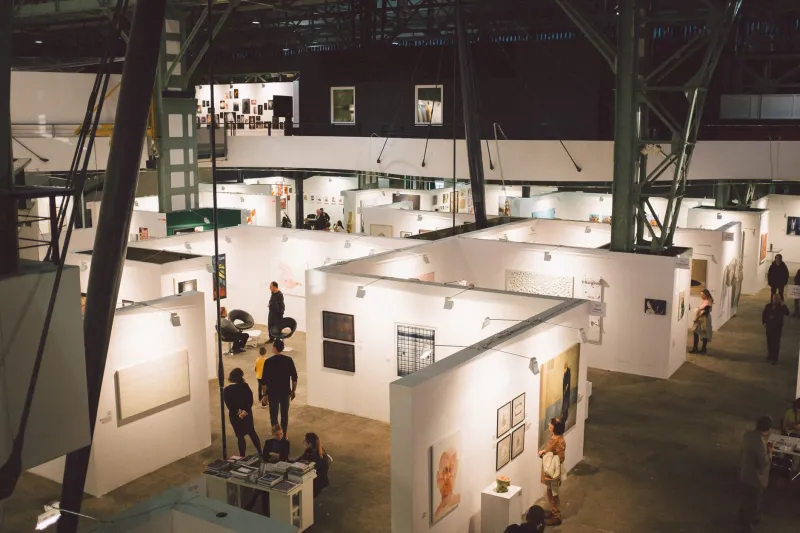
From Handover to Home: A Collector’s Aftercare Plan for London Fair Purchases
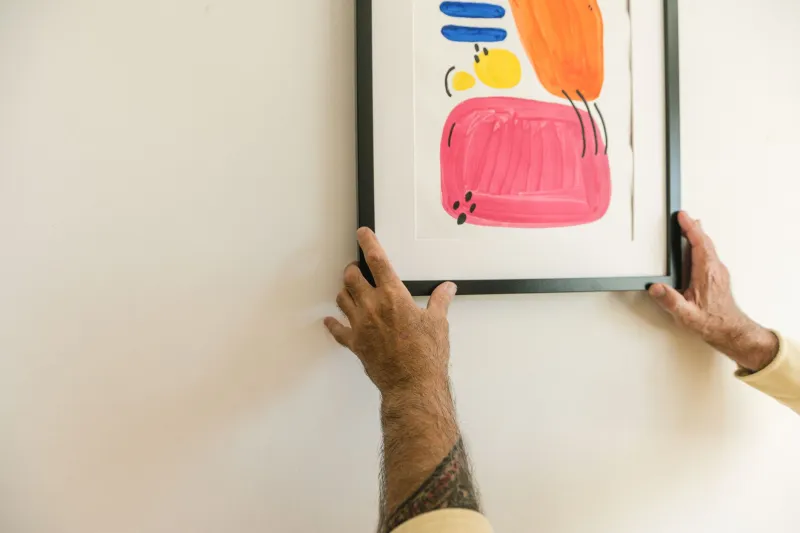
The moment a fair booth hands over a work is deceptively quiet. A card is tapped, a receipt is folded, a crate is wheeled to the door. But the fair is only the handover. What happens next determines whether the work survives its first decade in good shape — and whether you, the collector, can enjoy it without a low hum of anxiety.
Before you leave the booth
Ask for the full package, not just the invoice. A condition report with photographs is the single most useful document you can hold; it records the work’s state at the point of sale and gives you a baseline for any future insurance claim or loan. Confirm the certificate of authenticity, the edition number if relevant, and any installation instructions. If the work is framed, ask whether the frame is original and whether it should travel face-up or face-down. If the artist has specific preferences for display — a particular wall colour, a light level, a distance from a radiator — write them down.
Confirm who is responsible for transit and when. A fair’s official art handler is often the safest route, but it is not automatically included. Ask for the collection window, the crate or packaging specification, and the insurance cover in force between the booth and your door.
Transit: the short journey that matters
London is hard on art. A work that has crossed the Channel without incident can still be damaged in a taxi, a lift lobby or a basement stairwell. For anything fragile, glazed, large or valuable, use a professional art handler rather than a car boot. If you are transporting a small work yourself, keep it upright, avoid the boot if the weather is wet, and never leave it in a parked car. Condensation is a quiet thief; so is a sudden change in temperature.
Photograph the work before it leaves the booth and again when it arrives. If the packaging looks compromised, note it before you open it. A few minutes of documentation now will save hours later.
Insurance and paperwork
Notify your insurer before the work comes home. Many UK household policies have fine-art limits and transit exclusions; a specialist fine-art policy is often more appropriate for a collection. Keep the invoice, condition report, certificate, transit documents and photographs in one file, ideally digital and backed up. If you plan to lend the work, check whether your policy covers loans out and whether the borrower requires its own cover.
Conservation framing
If the work needs framing, resist the temptation to treat it as a decorative afterthought. Conservation framing uses acid-free mounts, reversible hinges and UV-filtering glazing. Ask the framer not to trim original mounts or to dry-mount works on paper. If the work came in a historic frame, discuss whether it can be conserved rather than replaced. The cheapest frame is rarely the kindest.
Light and environment
Hang away from direct sunlight, radiators and bathrooms. LED lighting with a low UV output is preferable; if you use spotlights, keep them off the surface of works on paper and photographs. A simple lux meter, or a conservator’s advice for works of particular sensitivity, will tell you more than a generic rule of thumb. Keep humidity stable; sudden swings are more damaging than a steady, slightly imperfect level.
The first year and beyond
Review the work after a year. Check for new frame abrasion, fading, foxing or loose hinges. Update your inventory with a photograph and a current valuation. If you plan to lend, start the paperwork early; museums and galleries will ask for condition reports, insurance certificates and sometimes a facilities report.
A short checklist
- Condition report and photographs filed.
- Invoice, certificate and provenance stored.
- Insurer notified, transit cover confirmed.
- Professional handler booked for fragile or large works.
- Conservation framing specified in writing.
- UV-filtering glazing and acid-free mounts.
- Hanging position away from sun, heat and moisture.
- Annual condition check diarised.
The pleasure of a fair purchase is not only in the acquisition. It is in the confidence that comes afterwards — the knowledge that the work is documented, insured and properly housed. That is the quieter part of collecting, and the part that lasts.