Hangers, Haste and Hierarchy: Reading a London Fair at the Coat Rack
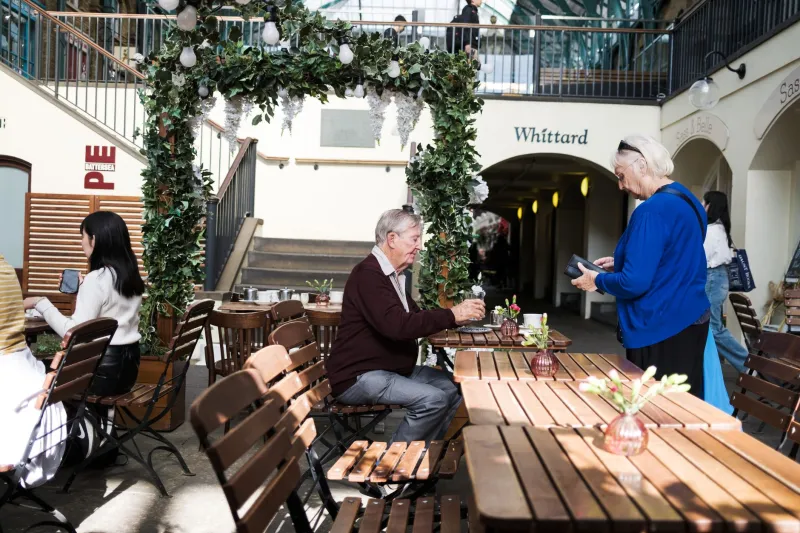
At a London art fair in November, the serious looking begins before the stands. It begins at the cloakroom, where damp umbrella tips, folded scarves and the soft percussion of hangers form an accidental register of the day. The room is easy to overlook. It is also, for anyone willing to read it, one of the most honest rooms on site.
A fair’s cloakroom does not trade in opinions. It records behaviour. It shows who arrived early, who travelled light, who brought a tote bag large enough to suggest a planned purchase, and who is treating the visit as a social appointment rather than a browsing expedition. In 2026, as London’s art calendar grows denser and visitors become more deliberate about how they spend an afternoon, that small ledger of coats and bags has become a useful way to understand the crowd before reaching the first aisle.
The First Queue Is a Weather Report
The morning cloakroom tells a practical story. Between the opening and the first hour, the queue tends to be short and the coats heavy. Visitors are often attending talks, viewing rooms or early appointments, and they arrive with the intention of staying. Their outerwear is built for a London November: wool, trench coats, the occasional carefully packed rain shell. The mood is orderly. The hangers are not yet under pressure.
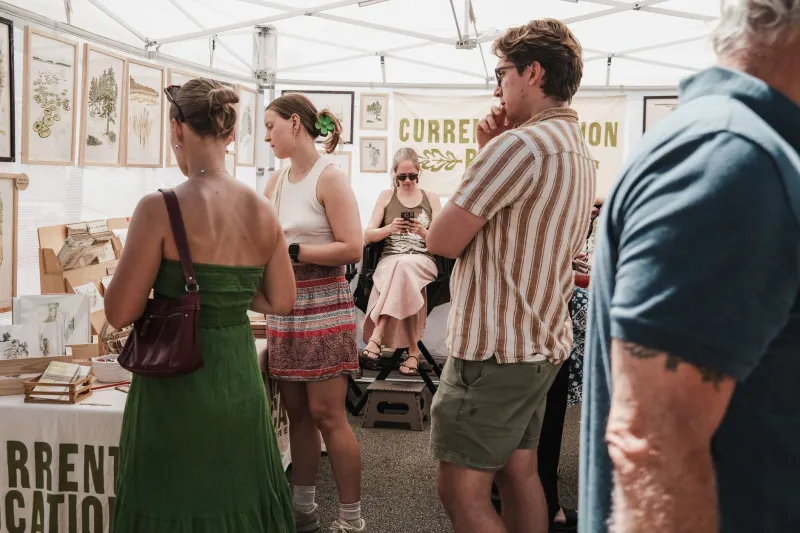
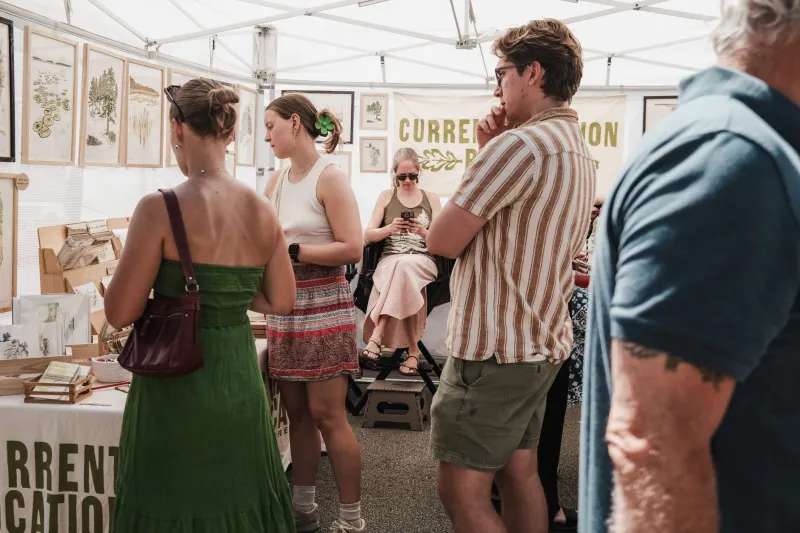
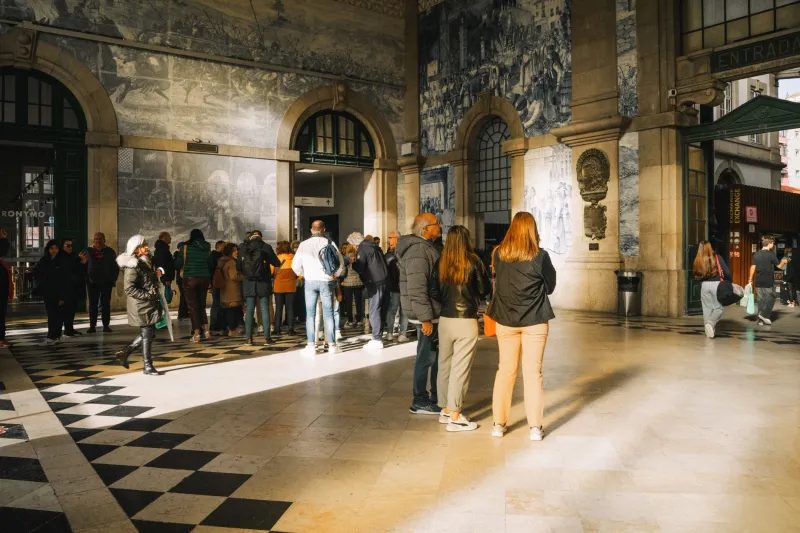
By early afternoon, the pattern changes. The queue lengthens, the bags become more varied, and the staff begin the quiet choreography that keeps a fair moving: taking coats, returning tokens, directing visitors towards the correct exit. This is the period when the fair is at its most public. Groups arrive together; conversations spill from the entrance; the cloakroom becomes a holding bay for indecision as much as for outerwear.
The practical lesson is simple. If you intend to look seriously at works on paper or speak with dealers at length, arrive before the midday swell and use the cloakroom early. A coat carried over an arm is not merely a nuisance; it changes the way you move through a stand, and it makes the close looking that fairs reward more difficult than it should be.
What the Hangers Know
The cloakroom also reveals something about collector behaviour. A visitor who checks a coat and keeps only a slim bag, a phone and a card is likely to be moving with purpose. A visitor who retains a large tote may be planning to take catalogues, or may simply be unwilling to surrender the day’s necessities. Neither is wrong, but the distinction is visible.
For the visitor, the useful discipline is to carry less than you think you need. A small notebook, a charged phone and a single payment card will usually suffice. Leave the laptop bag at home if you can. If you are attending a private view later, check whether the cloakroom will remain open beyond the public closing time; fair programmes vary, and an early closure can turn a pleasant evening into a cumbersome one.
Staff see more than they are given credit for. They notice the visitor who returns to the cloakroom twice in an afternoon, once to deposit a catalogue and once to collect a coat before a second round of stands. They notice the dealer who arrives with a garment bag and leaves with it folded more carefully than before. These are small signals, but they add up to a portrait of how a fair is being used: as a marketplace, a meeting place, a place of study, or all three at once.
The Late Check and the Early Exit
The final hour is where the cloakroom becomes most instructive. As the stands begin to empty and the conversation turns towards dinner, the queue at the coat rack can become a bottleneck. Visitors who have spent the afternoon buying or negotiating often leave in a hurry; those who have been browsing more casually tend to linger. The cloakroom staff, meanwhile, are managing a small flood of tokens and garments with the calm efficiency that fair work demands.
This is the moment to plan ahead. If you expect to make a purchase, ask the dealer about storage and collection before the final hour. If you are meeting someone, agree on a place away from the cloakroom rather than at its edge. And if you are visiting primarily to observe, use the late afternoon to return to one or two stands rather than attempting a final sweep of the whole fair. The room will tell you when the crowd is thinning; the art will reward the quieter attention.
A Small Index, Used Wisely
The cloakroom is not a substitute for looking at art. It is, however, a useful preliminary. It shows the pace of the fair, the weight of the day and the habits of the people around you. It also offers a modest corrective to the idea that art fairs are experienced only at the stand. Much of what matters happens in the margins: the greeting, the queue, the pause before the first aisle.
For the visitor in 2026, the advice is straightforward. Check the coat early, carry only what the day requires, and read the room before you read the labels. The hangers will not tell you what to buy. They will tell you how the fair is moving—and that is often enough to help you move well.