The Quiet Table: Eating Strategically in London Fair Week
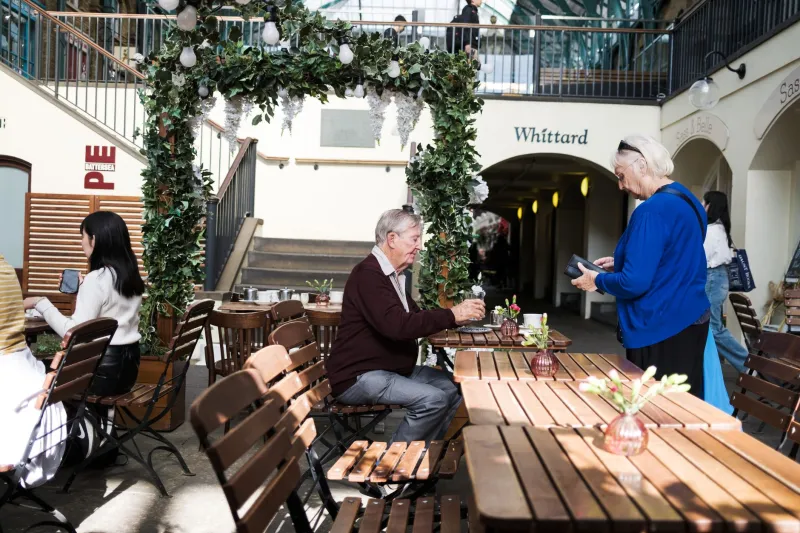
Fair week is usually described in terms of stands, previews and evening receptions. The table is treated as an afterthought. In practice, it is part of the looking. A rushed lunch can flatten an afternoon; a good coffee can reset a tired eye; a quiet corner can turn a vague impression into a useful conversation. The following is not a restaurant review. It is a neighbourhood strategy for eating well enough, and calmly enough, to make the fair worth attending.
Islington and Angel: coffee before the Business Design Centre
The Business Design Centre rewards an early start. Arrive before the main rush, take a coffee nearby and use the first twenty minutes to read the floor plan rather than the room. A small independent café on or just off Upper Street will usually serve you faster than a chain, and with less noise. Order something simple, stand if you must, and keep the table free for the people who need it.
For lunch, move away from the immediate fair perimeter. A set menu on Essex Road or a quiet table near Islington Green will give you a better hour than a crowded brasserie on the main road. Book for 12.15 or 12.30, not 13.00. Ask for a table away from the door. If you are meeting a gallerist, say so when booking and allow seventy-five minutes; if you are meeting a collector, allow ninety and order after the first ten minutes of conversation, not before.
For a post-viewing debrief, a pub with a corner table is often more useful than a fashionable dining room. The point is not the food. The point is a surface for notes, a seat that does not hurry you, and enough quiet to hear what the other person actually thought.
Somerset House and the Strand: the quick coffee and the collector lunch
Somerset House has its own rhythm. A quick coffee before a craft or design fair should be treated as reconnaissance: one espresso, one look at the programme, one decision about which floor to take first. Do not sit down for a full breakfast if you are due inside within the hour. The fair will reward the earlier arrival.
For a collector lunch, walk towards the Strand or Covent Garden rather than eating at the venue. A formal dining room with a set lunch is often better value than a fashionable all-day café, and the booking ritual is straightforward: reserve two weeks ahead, request a quiet table, and confirm the day before. A lunch that begins at 12.30 and ends by 14.00 is usually more useful than one that drifts into the afternoon. You want to return to the fair with a clear head, not a second wind that arrives too late.
For a debrief after a viewing, choose a table that lets you spread out a catalogue and a notebook. A pub dining room or a hotel bar with low music will do. Avoid anywhere that requires you to shout. Fair conversations are difficult enough to remember without having to reconstruct them over noise.
Mayfair and St James’s: the appointment table
Mayfair is where fair week becomes an appointment diary. A quick coffee near a gallery should be exactly that: short, standing, and close to the next viewing. Do not attempt a long lunch in the middle of a Mayfair gallery walk unless the lunch is the main event. The streets are dense, the distances are deceptive and the temptation to overbook is high.
For a serious collector lunch, book early and be specific. Ask for a corner table, confirm the time in writing, and mention if you need to leave by a certain hour. A restaurant that understands a fair-week schedule will not rush you, but it will also not leave you waiting. If the conversation is about a work, choose a table where you can speak without projection. If it is about a relationship, choose a room where you can be seen without being overheard.
For the post-viewing debrief, a hotel bar or a quiet pub off the main streets is often better than a restaurant. One drink, one honest exchange, one note made before the details blur. This is not a social extension of the fair. It is where the fair becomes legible.
South Kensington and Olympia: the long lunch
Around Olympia, the useful strategy is to move slightly away from the venue. A café near the station will do for a quick coffee, but a proper lunch should be booked in South Kensington or Holland Park, where the pace is slower and the tables are less contested. Book for 12.30 if you want to return for an afternoon session; book for 13.30 if the fair is finished and the conversation can run.
Ask for a table on a banquette or in a corner. Avoid the middle of the room. If you are bringing a collector who is new to the fair, order simply and let the conversation set the pace. The meal is not the entertainment. It is the interval in which the looking is allowed to settle.
The rules that travel between neighbourhoods
Book two tables per fair day, not five. Protect at least forty-five minutes for lunch, even if you eat quickly. Treat coffee as a tool for pacing, not a meal. Carry a notebook and write one sentence before the bill arrives. If a table is running late, leave; fair week is too short to spend it waiting for a second coffee.
The quiet table is not an indulgence. It is where the fair week becomes useful. In London, the best conversations often happen ten minutes’ walk from the stands, with a notebook open and the next appointment still half an hour away.